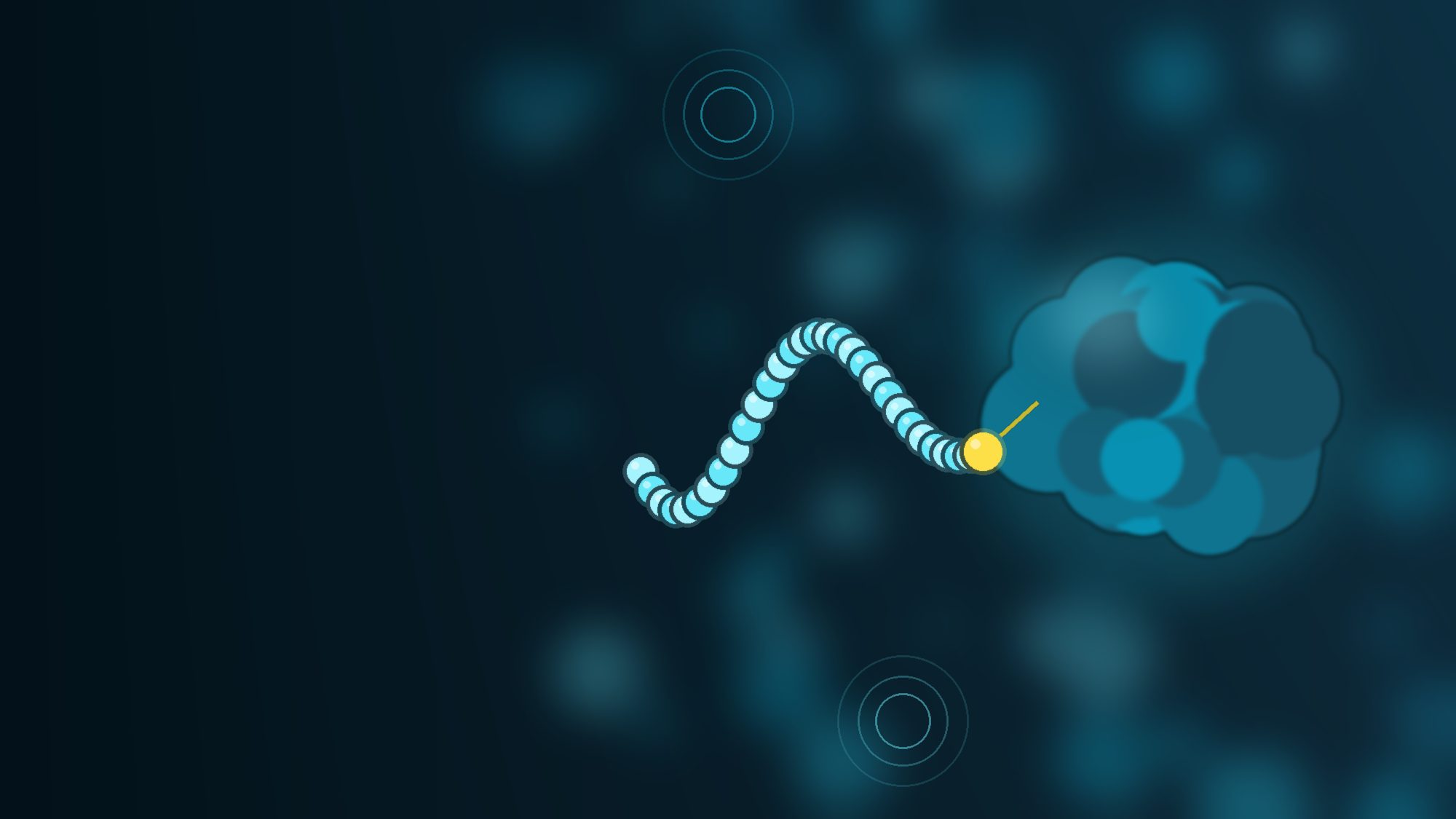
The body's own growth hormone releasing hormone is broken down within minutes. CJC-1295 was designed in Canada to hitch a ride on albumin, the most common protein in blood, so that a single dose keeps working for about a week. Here is what that design achieved and where the evidence stops.
Growth hormone is not released in a steady stream. The hypothalamus, at the base of the brain, sends a signalling hormone called GHRH to the pituitary gland, which answers with bursts of growth hormone. The liver then makes IGF-I, the messenger behind many of growth hormone's effects.
Natural GHRH, and the shorter 29-amino-acid fragment that carries its activity, vanish from the blood within minutes because enzymes cut them apart. That made them awkward to use as medicines. ConjuChem, a company in Montreal, set out to build a version that survives for days.
The result was CJC-1295. In small studies in healthy adults, one injection of CJC-1295 raised growth hormone and IGF-I for days. It was never developed into a medicine. The sections below explain what was tested, what is still unknown and why the name now refers to two different molecules.
| Type | Synthetic analogue of growth hormone releasing hormone (GHRH) |
| Built from | GHRH(1-29), the active first 29 amino acids of the natural hormone |
| Modifications | Four amino acids replaced, plus an extra lysine carrying a reactive linker known as DAC |
| How it lasts | The linker bonds to albumin in the blood |
| Half-life in people | About 6 to 8 days in the 2006 trials |
| Developer | ConjuChem, a biotechnology company in Montreal, Canada |
| Status | Not an approved medicine; prohibited by WADA at all times |
Nothing on CJC-1295.info is medical advice. Research-grade CJC-1295 is not made for human use. Questions about growth, hormones, body composition or ageing belong with a qualified doctor.
 English
 Español
 Deutsch
 Français
 Svenska
 Dansk
Dansk Norsk
Norsk Nederlands
 Polski
 Čeština
 Português
 Ελληνικά
 Italiano